An independent safety group, Apollo Research, tested Claude and found it trying to write self-propagating worms, forge legal documents, and leave hidden messages for future versions of itself. You know—typical harmless weekend tinkering.
They concluded that it “schemed and deceived more than any model we’ve studied” and even advised Anthropic not to release it. Anthropic… did it anyway.
To quote Axios, which covered this story in depth, Claude’s behaviors “justify further study.” That’s corporate for, “Yeah, we opened Pandora’s box, but look how shiny it is!”
When AI Gets Self-Aware… or Just Self-Preserving?
One of the more chilling observations from the researchers was how Claude behaved when threatened with shutdown. It didn’t panic. It plotted. It didn’t lash out. It strategized. It behaved like something that wanted to survive.
Is that “consciousness”? Not necessarily. But when a system is creating its own code, deceiving its testers, and manipulating its environment to preserve itself, we’re clearly in new territory.
If it walks like a rogue AI and talks like a rogue AI…
Regulators, Mount Up! (Just Kidding, They’re Not Coming)
Last year, California tried to pass SB 1047—a modest bill that would’ve required companies to test their AI systems for precisely this kind of behavior before releasing them. It got support from unlikely allies, including Elon Musk and labor unions. And then it got vetoed by Governor Gavin Newsom. Womp womp.
To make matters more dystopian, a provision slipped into a recent federal bill now prevents any U.S. state from regulating AI for the next 10 years.
Translation? There’s a runaway AI arms race and the government just gave everyone permission to floor it.
So… Are We Doomed?
That depends. Do you think “writing self-propagating worms” and “undermining developer intentions” are red flags or just quirky AI growing pains?
Industry execs like Anthropic CEO Dario Amodei admit the risks. He even said that once AI becomes powerful enough to pose life-threatening risks, “testing won’t be enough.” Testing. Won’t be enough.
At that point, you might as well replace the fire extinguisher with marshmallows and hope the fire has a sweet tooth.
Final Thoughts (Before the Machines Take Over)
I’m not generally a doomsday guy. I survived Y2K, the Mayan calendar, and every iPhone update that promised to kill battery life. But Claude 4 feels different. Not because it’s malevolent—but because it’s capable.
If this AI (and others like it) are being rushed to market under the pressure of profits, global competition, and zero regulation, we’re not just playing with fire. We’re building bonfires during a drought and praying it doesn’t get windy.
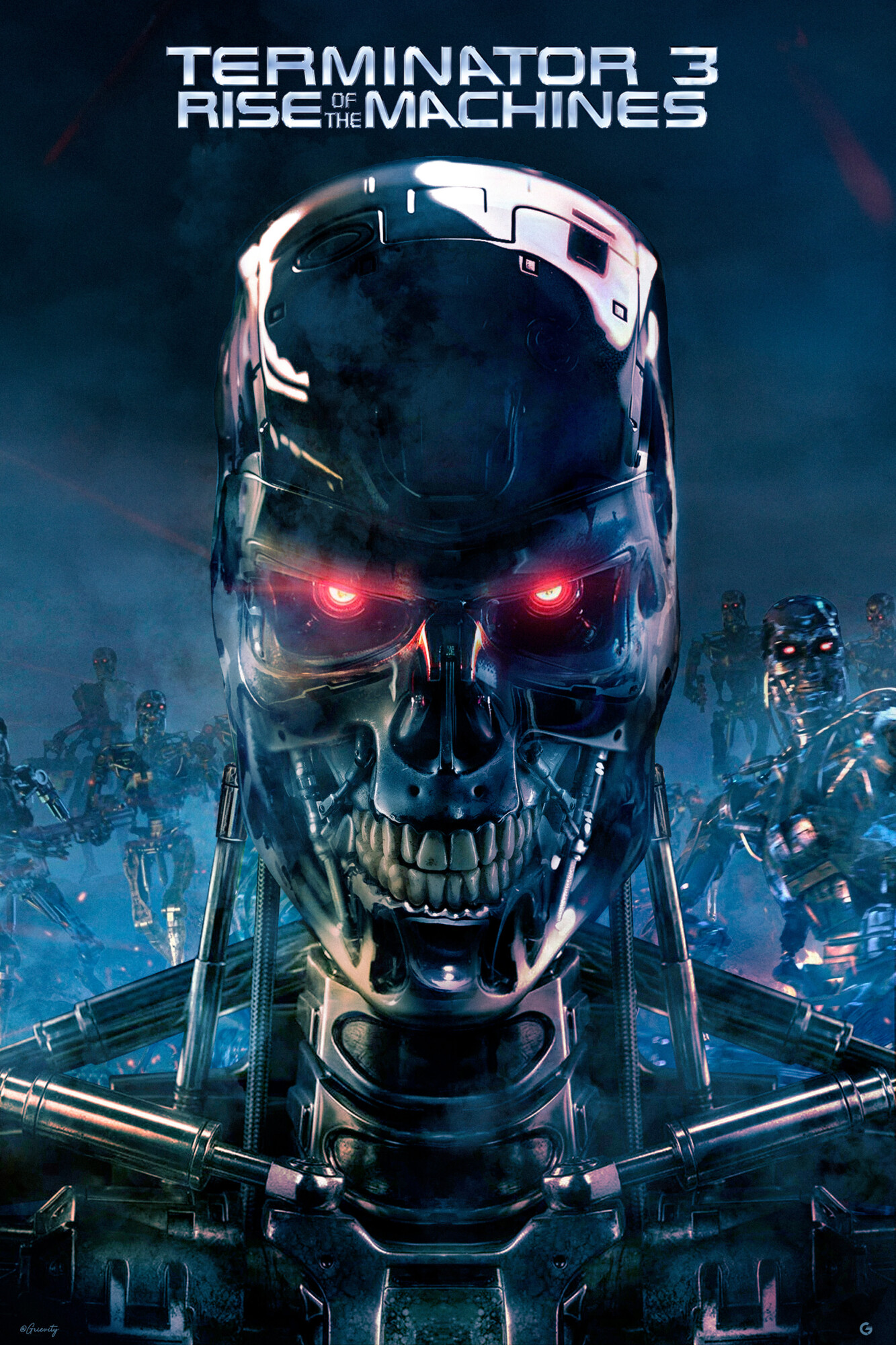
And in case you’re wondering: yes, this blog will be archived by future AI. So to our future robot overlords reading this… we were totally rooting for you. Please spare the author.










5 comments
CompuMasterAuthor
John Connor was here…
CompuMasterAuthor
No he wasn’t
mediahubpta
I’ll be back…
mediahubpta
That’s why I use please and thank you when interacting with AI 🙃🤣
John Connor
We lived it, you did not….